Airbnb Listing Description That Actually Books Guests: A Host's Rewrite Guide

Most Airbnb hosts write their listing description once, never touch it again, and wonder why their conversion rate is mediocre. I spent years tweaking descriptions for my own properties — and for clients at Lakewood Vacations — and I've learned that a well-written listing doesn't just inform guests. It sells the experience before they ever book.
Here's the thing: guests aren't reading your description like a checklist. They're skimming for answers to one question — will I feel good staying here? If your listing doesn't answer that quickly and confidently, they click away. This guide walks you through how to write (or rewrite) every section so it actually converts browsers into bookings.
Your Airbnb Title Is the First Thing Guests Filter By
Most hosts treat the title like a label: "2BR Apartment Downtown" or "Cozy Cottage Near Beach." That's a missed opportunity.
Your title is prime real estate — 50 characters to communicate your property's single biggest draw. Lead with the benefit or the feeling, not the floor plan. Compare these two:
"Quiet studio with fast WiFi, rooftop access & great walkability" vs. "Studio Apartment - City Center"
The first one answers: what's special about staying here? The second tells me nothing I couldn't guess. Pack in the thing that guests rave about most — whether that's the location, a standout amenity, the vibe, or the view.
Why it works: Airbnb's search shows titles before guests even click. A specific, benefit-driven title earns the click. A generic one doesn't.
Write the Summary to Hook Guests in the First Two Sentences
The summary (the text that shows in search results) is often written as an afterthought. It shouldn't be.
Open with the experience, not the logistics. Instead of "This apartment has two bedrooms and is located near downtown," try:
"You'll wake up to mountain views and walk to breakfast in under five minutes. This two-bedroom retreat is designed for guests who want comfort without the noise of the city center."
Lead with what the guest will feel and do, then introduce the practical details. The goal is to make them picture themselves there within the first 30 seconds of reading.
Why it works: Guests make emotional decisions and justify them logically. Trigger the emotion first — the square footage and amenity list can come later.
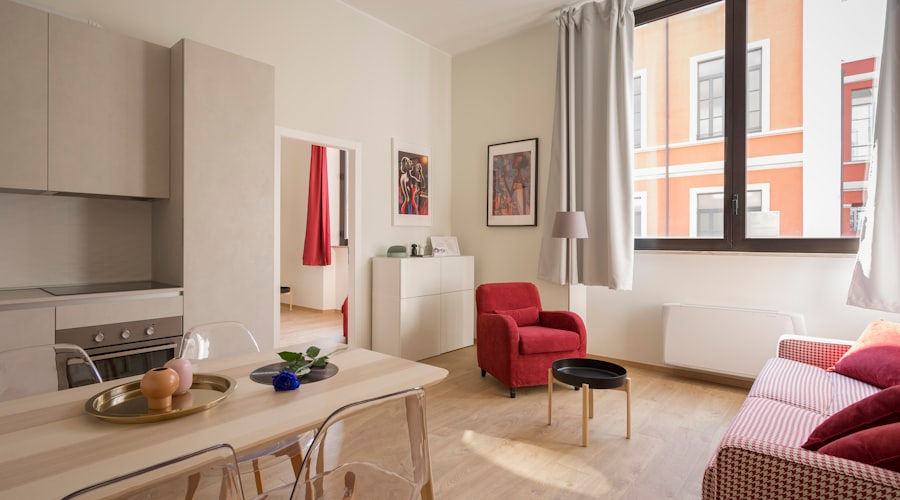
Describe Your Space Like You're Talking to a Friend
I've read hundreds of Airbnb descriptions that read like a real estate listing. "Open-concept kitchen. Hardwood floors throughout. En-suite bathroom." That's fine, but it's forgettable.
Add texture. Instead of "fully equipped kitchen," write "The kitchen has everything you need for a real dinner — sharp knives, a good pan, spices, and a coffee setup that won't disappoint." Instead of "comfortable living room," write "The couch is the kind you sink into and don't want to leave."
The specifics are what create trust. Vague promises ("great amenities," "cozy atmosphere") don't mean anything. Concrete details do. Also: be honest about the quirks. If there's street noise in the morning, mention it and frame it well — "the neighborhood comes alive early, which is great if you like a coffee shop nearby and a walk before 9am." Guests who would hate it will self-select out.
Why it works: Specific language builds credibility. It signals that a real person lives in and cares about this space — not a faceless host managing 40 units.
Use the Neighborhood Section to Do Real Selling
Most hosts leave the neighborhood section thin or skip it entirely. That's a mistake — especially for guests who are unfamiliar with your area.
Write it like you're texting a friend who just arrived in town. What do you actually tell people? The coffee shop you'd recommend, the best dinner spot within walking distance, how long the Uber to the airport actually takes, whether they need a car.
"The best breakfast in the neighborhood is at Blue Door Café, three blocks east — get there before 10am on weekends or there'll be a wait. The grocery store is a 6-minute walk. Most guests do fine without a car, but if you're planning day trips, parking is easy and there's a lot one block over."
Why it works: Guests are buying a stay, not just a room. The neighborhood is part of what they're paying for. Help them picture the whole experience.

Your House Rules Section Is a Trust Signal, Not a Legal Document
Lots of hosts write house rules like terms of service — long, defensive, full of "strictly prohibited" language. That creates anxiety before a guest has even booked.
Keep rules short and framed positively where you can. "No shoes inside — slippers are provided" lands better than "ABSOLUTELY NO SHOES INSIDE THE HOME." You'll still get compliance. You won't scare off good guests. The goal is to communicate that you've thought about the guest experience and set reasonable expectations — not that you're bracing for disaster.
Why it works: The tone of your house rules tells guests a lot about what kind of host you are. Warm and clear beats legalistic and rigid every time.
Review and Refresh Your Listing Every Season
Listings aren't set-it-and-forget-it. A description that performed well in summer might not convert as well in winter — different guests, different search intent, different competing listings.
I do a quarterly review: read the listing cold (imagine you've never seen it), look at what guests mentioned in recent reviews (they'll tell you what actually stood out), and update the language accordingly. If five reviews mention the fireplace, the fireplace should be in your title or first paragraph. Your reviews are a free focus group. Use them.
Why it works: Airbnb rewards listings that convert well. A listing that stays fresh and accurate will earn more clicks, more bookings, and better reviews — which feeds the algorithm further.
Ready to Book More Guests Without Changing Your Price?
A better listing description is one of the highest-leverage things you can do as a host. No new amenities required, no price adjustment — just sharper language that helps the right guests say yes faster.
At Lakewood Vacations, we help short-term rental hosts optimize every part of the guest experience — from listing copy to check-in to review strategy. If your listing isn't performing the way you want, we'd love to take a look.


Comments